WATER DAMAGE CLEANUP
Water Damage Cleanup Gilbert, AZ
Standing water never stays where it lands. It runs under baseboards, soaks into carpet padding, and settles into low spots you cannot see until the drywall starts to swell. That is why fast water damage cleanup in Gilbert, AZ decides whether a leak becomes a two-day dry-out or a three-week rebuild. Elite Gilbert Water Damage keeps crews and extraction units on the truck around the clock, and we route Gilbert, Chandler, Mesa, and Queen Creek calls first.
Standing Water Gets Worse Every Hour
A live dispatcher picks up at 3 AM the same as 3 PM, and crews roll from our Williams Field Road shop day and night.
The First Two Days Decide What Gets Saved
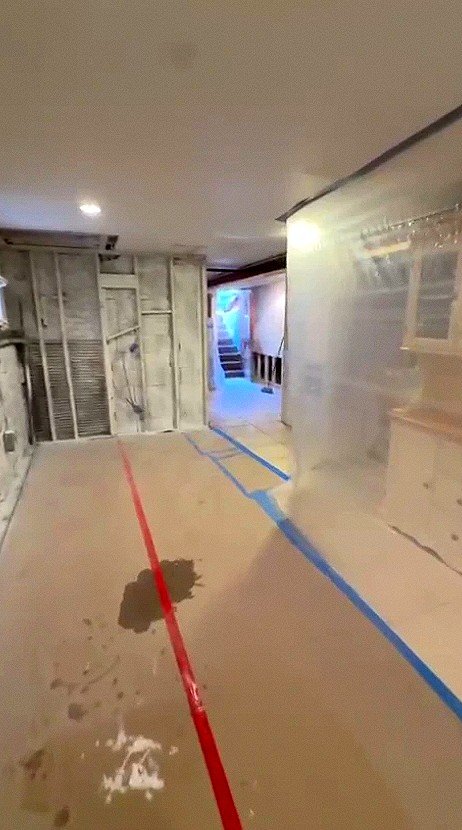
Most of the money in a water loss is decided in the first 48 hours. Carpet that gets lifted and dried on day one can often be saved, while the same carpet left sitting through a weekend goes to the dump. Our cleanup crews start with extraction, then pull padding, lift carpet, and open the cavities where water hides, so drying begins the same day instead of next week.
Cleanup also means taking out what cannot be saved. Wet drywall below the water line, swollen baseboards, and saturated particleboard come out the same day, bagged and hauled off your property. What can be dried gets dried. What cannot gets removed before it turns into a mold problem. If drying alone will not save a material, we tell you that up front, and if you need the rebuild handled too, our [Water Damage Restoration] crew takes it from there.
Every room gets a written moisture map before equipment goes in. That map tells our crew where to place machines, and it gives your insurance adjuster a clear record of what we found and what we did about it.
What a Water Damage Cleanup Visit Looks Like
A crew chief walks the loss with you first, room by room, and marks the water line. Then extraction starts. The units on our trucks pull standing water out far faster than any rental machine, and we chase the water into the padding and subfloor, not just the surface you can see.
Next comes cleaning. Surfaces that touched contaminated water get scrubbed and treated with antimicrobial solutions, and we set deodorizers to pull the damp smell out of the air and the materials. Odor is usually the first sign a cleanup was done halfway, so we treat it as part of the job, not an add-on.
Drying equipment goes in last, placed from the moisture map, and we return to re-read every point until the readings hit dry standard. You see the readings at every visit, not only the final one.
What We Save, and What We Toss
Furniture gets lifted onto blocks, contents get packed out or cleaned on site, and documents and photos get special handling. We would rather spend an hour cleaning a piece of furniture than watch it ride to the landfill, and your adjuster usually agrees. Anything that must go gets photographed before it leaves your house, so your claim file stays complete.
Cleaning Up After Contaminated Water
Not all water is the same job. A supply line leak is one kind of cleanup. A toilet backup or floodwater that picked up soil and sewage is a different job, with protective gear, disposal rules, and stronger cleaning steps. EPA Mold Cleanup Guidance We classify the water before we price the work, so you know exactly which job you have. If the loss also soaked walls or ceilings, our Mold Removal / Mold Remediation team handles what the water left behind.
Why East Valley Families Call Us Back
Cleanup is unglamorous work, and a lot of companies rush through it. We do not. Here is what a cleanup crew from our Williams Field Road shop brings to your door:
- Extraction units on every truck, not rental machines
- A written moisture map before equipment goes in
- Contents cleaned and packed out instead of blind disposal
- Antimicrobial treatment and odor control built into the job
- Photo and moisture logs your adjuster can read at a glance
- Crews based in Gilbert, not routed from out of town
- Drying checks you can watch, with readings at every visit
- A final walkthrough that ends at dry standard, not at "looks dry"
Water on the Floor Right Now? Call Before It Spreads Further.
One call puts a cleanup crew on the road to your door, any hour, any day of the year. We answer live, we put the scope and price in writing, and we start pulling water the same hour we arrive anywhere in Gilbert, Chandler, Mesa, or Queen Creek.
F. A. Q
Frequently Asked Questions
Cleanup is the emergency phase, meaning extraction, removal of soaked materials, cleaning, sanitizing, and drying. Restoration is the rebuild that can follow, like new drywall, paint, and flooring. We do both, but the cleanup visit is the one that decides how big the rebuild will be.
Carpet that gets lifted quickly can often be dried in place, while the padding underneath almost always goes. Furniture usually survives if we lift it onto blocks within the first day, but particleboard, wet drywall below the water line, and soaked mattresses generally have to go. We photograph everything we remove so your claim file stays complete.
Odor means moisture is still hiding somewhere, so we start by finding it with moisture meters and thermal imaging. Then we treat the affected materials with antimicrobials and run deodorizing equipment alongside the dryers. A smell that returns a week later almost always means the first cleanup missed a wet cavity.
Clean water from a supply line is low risk, but water from a toilet, a washing machine drain, or outside flooding can carry bacteria, so keep family and pets out of the affected rooms. Turn off power to the wet rooms if the breaker is dry and safe to reach, and leave the water where it is until the crew arrives with protective gear.
Most rooms hit dry standard in three to five days of running time. Air movers draw about as much power as a household vacuum on low, and we size the equipment to the loss instead of filling the house with machines just in case, which keeps the bill reasonable.
Yes, and we treat that work differently from a clean water loss. Crews wear full protective gear, contaminated porous materials get removed and bagged, and every surface that touched the water gets cleaned and treated before drying starts. This is also the kind of loss your homeowners policy is most likely to question, so our photo and moisture logs matter even more.
Pricing follows the size of the affected area, the category of the water, and how much material has to come out. A single-room clean water loss costs far less than a sewage backup that spread through a hallway, and we put the scope and price in writing before the crew starts. Most Gilbert homeowners policies cover sudden losses, and we bill your carrier directly when coverage applies.
Shut off the water at the main if you can reach it safely, and lift small valuables, electronics, and anything irreplaceable up off the wet floor. Do not run a household vacuum through standing water, and do not switch on outlets or breakers in wet rooms. Then call (480) 576-9813 and we will talk you through the rest.