
MOLD REMOVAL / MOLD REMEDIATION
Mold Removal / Mold Remediation Gilbert, AZ
Most people picture a rainy climate when they picture mold, so a lot of Gilbert homeowners assume the desert keeps them safe. It does not. Mold only needs one wet surface to get started, and Arizona homes supply plenty of those, from air conditioner condensate pans to slab leaks hiding under tile floors. Our mold removal crews in Gilbert find the moisture, contain the growth, and take it out for good, serving Chandler, Mesa, and Queen Creek too.
Mold Grows a Little More Every Day It Sits
A musty smell or a dark stain on a baseboard is worth a phone call today, not a project next month. We answer every day of the week.
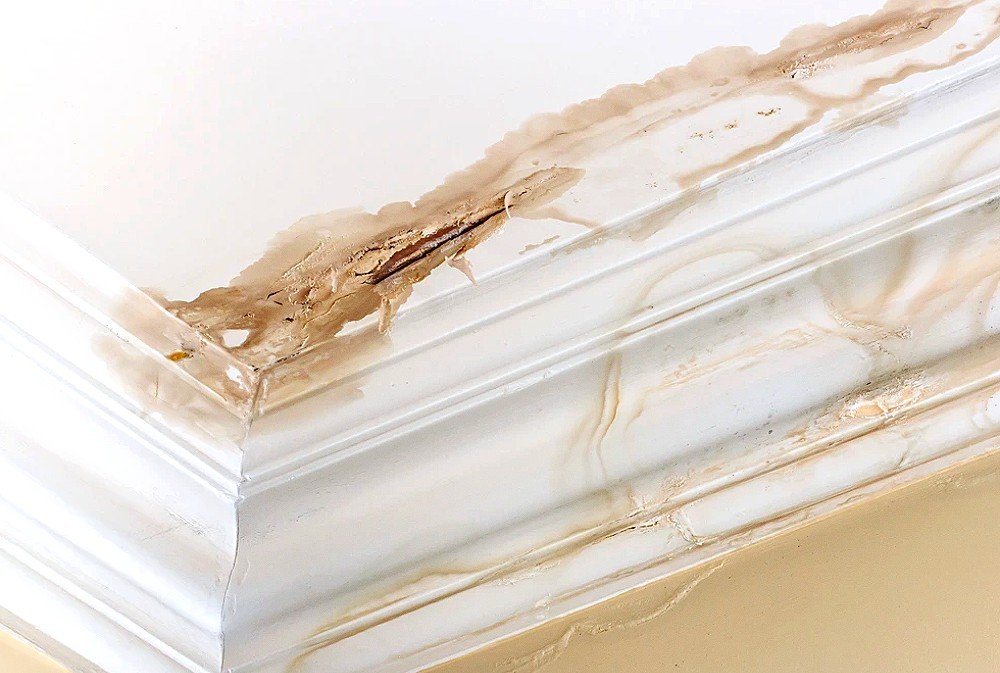
Where Mold Gets Its Water in a Gilbert Home
Outdoors, the Sonoran Desert air is too dry for mold to do much. Indoors is a different story. Your home holds water in pipes, in the AC system, in the water heater, and in the soil under the slab. Anywhere that water touches a surface it should not, mold can grow, and the cooling system actually creates the damp spots mold likes best.
The calls we take in Gilbert usually trace back to a handful of sources: a slow leak behind a shower wall, a condensate line that clogged and overflowed, a water heater that wept onto the garage floor for months, or monsoon water that got behind stucco and into a wall cavity. The mold you see is the symptom. The water is the cause, and both have to be handled or the problem returns.
What We Do on a Mold Job, in Order
We start by finding the full extent of the growth, not just the visible patch. That means moisture meters, thermal imaging, and sometimes opening a small section of wall to see what is happening inside the cavity. Then we set containment before we touch the mold, because disturbing growth releases spores into the air you breathe.
With barriers and negative air in place, we remove everything the mold has colonized. Drywall, insulation, and padding that mold has grown into cannot be cleaned and have to go, bagged and sealed on the way out. Framing and hard surfaces get scrubbed, HEPA vacuumed, and treated with antimicrobial solutions.
Last, we deal with the air. HEPA air scrubbers run through the job to pull floating spores out, and we finish with a walkthrough and, when the situation calls for it, third-party clearance testing so you have independent confirmation the job is done.
Containment and Negative Air, Explained Simply
Containment is plastic sheeting that seals the work area from the rest of your house. Negative air means a machine pulls air out of that sealed space faster than air can flow in, so spores cannot drift into your living rooms while we work. It is the difference between a mold job and a mold spread, and it is the first thing we set up on every remediation.
Fixing the Water So the Mold Stays Gone
Removing mold without fixing the water is painting over a problem. We locate the moisture source on every job, and our Water Damage Restoration side handles the repairs, from a rerouted condensate line to dried-out wall cavities after a leak. You get one company for both halves of the fix.
Questions to Ask a Mold Removal Company in Gilbert
Arizona does not license mold remediators the way it licenses plumbers or electricians, so the quality gap between companies is real. Ask who sets up containment, whether negative air and HEPA filtration are included, what happens to materials that cannot be cleaned, and whether clearance testing is available. A company that cannot answer those plainly is not the company you want inside your walls. The EPA’s mold guidance for homeowners covers the same basics if you want to read up before you call. Here is what our crews bring to every job:
- Written scope and containment plan before any demolition
- Plastic barriers sealing the work area from living spaces
- Negative air machines with HEPA filtration running during removal
- Colonized materials bagged and sealed on the way out
- HEPA vacuuming and antimicrobial treatment on exposed framing
- Moisture source located and repaired as part of the job
- Clearance testing arranged when the job warrants it
- Photo documentation for your records and your insurance
Smell Something Musty? Get Eyes on It This Week.
Mold does not pause to wait for a convenient season, and a small colony is a small bill. We inspect homes across Gilbert, Chandler, Mesa, and Queen Creek, and we will tell you honestly whether you need full remediation or just a repair and a good drying.
F. A. Q
Frequently Asked Questions
A musty, earthy smell in one room is the most common sign, along with staining, bubbling paint, or a baseboard that feels soft. The only way to know for sure is a moisture meter and a look inside the cavity, which is part of our inspection. If readings show a wet wall, we open a small access hole to see what is growing in there.
Bleach can lighten the stain on a hard surface, but it does not remove mold roots inside drywall or wood, and spraying it adds moisture to the material. On porous materials no spray fixes the problem, and disturbing mold without containment spreads spores through the house. DIY is fine for a small patch on tile or glass, not for anything growing into building materials.
A contained, single-wall job usually costs far less than people fear, while mold that has spread through several rooms or into an attic costs more because of containment size and materials removed. The honest answer is that the price follows the square footage affected and the source of the moisture. We put the scope and price in writing before work starts.
Sometimes. If the mold follows a covered sudden loss, like a burst pipe, many policies contribute to the remediation. If it follows long-term seepage or neglect, coverage is usually denied. We document the moisture source and the timeline so your adjuster can make the call, and we bill the carrier directly when coverage applies.
Most single-area jobs run three to five days from containment to final cleaning, including drying time. Larger jobs that involve several rooms or an attic can take one to two weeks. Clearance testing, when used, adds a day or two for the lab results.
For a contained job in one area, most families stay home and simply keep the sealed section off limits. If the mold is extensive, if containment has to cover a main hallway or the only bathroom, or if anyone in the home has asthma or a weakened immune system, we recommend staying elsewhere for a few days.
The term black mold usually refers to Stachybotrys, which can produce irritants and deserves professional removal, but it is not the single toxic villain the internet makes it out to be. Any mold in large enough amounts can irritate lungs, eyes, and skin, and people with asthma or allergies feel it first. The species matters less than the amount and the location, which is why we treat all growth the same way: contain it and remove it.
Not if the moisture source is actually fixed, which is why we treat source repair as part of the job instead of an optional extra. Mold spores are always present in indoor air, but they cannot grow without moisture. If a future leak does occur, drying it within a day or two keeps it from becoming a mold job again.