
CEILING WATER DAMAGE REPAIR
Ceiling Water Damage Repair Gilbert, AZ
A water stain on your ceiling is a warning sign, not the problem itself. The real issue is water soaking into drywall from above, whether from a roof leak, an upstairs bathroom, or an evaporative cooler that overflowed during last night’s monsoon storm. Ceiling water damage repair in Gilbert requires more than patching the stain. It requires finding the source, extracting water from the drywall and insulation, and preventing the sagging that leads to collapse. Our crews handle ceiling leaks and water damage across Gilbert, Chandler, Mesa, and Queen Creek with same-day response.
Sagging Ceilings Can Collapse Without Warning
Water-soaked drywall loses structural strength fast. Call immediately if your ceiling is bulging, dripping, or showing dark stains. We respond 24/7.
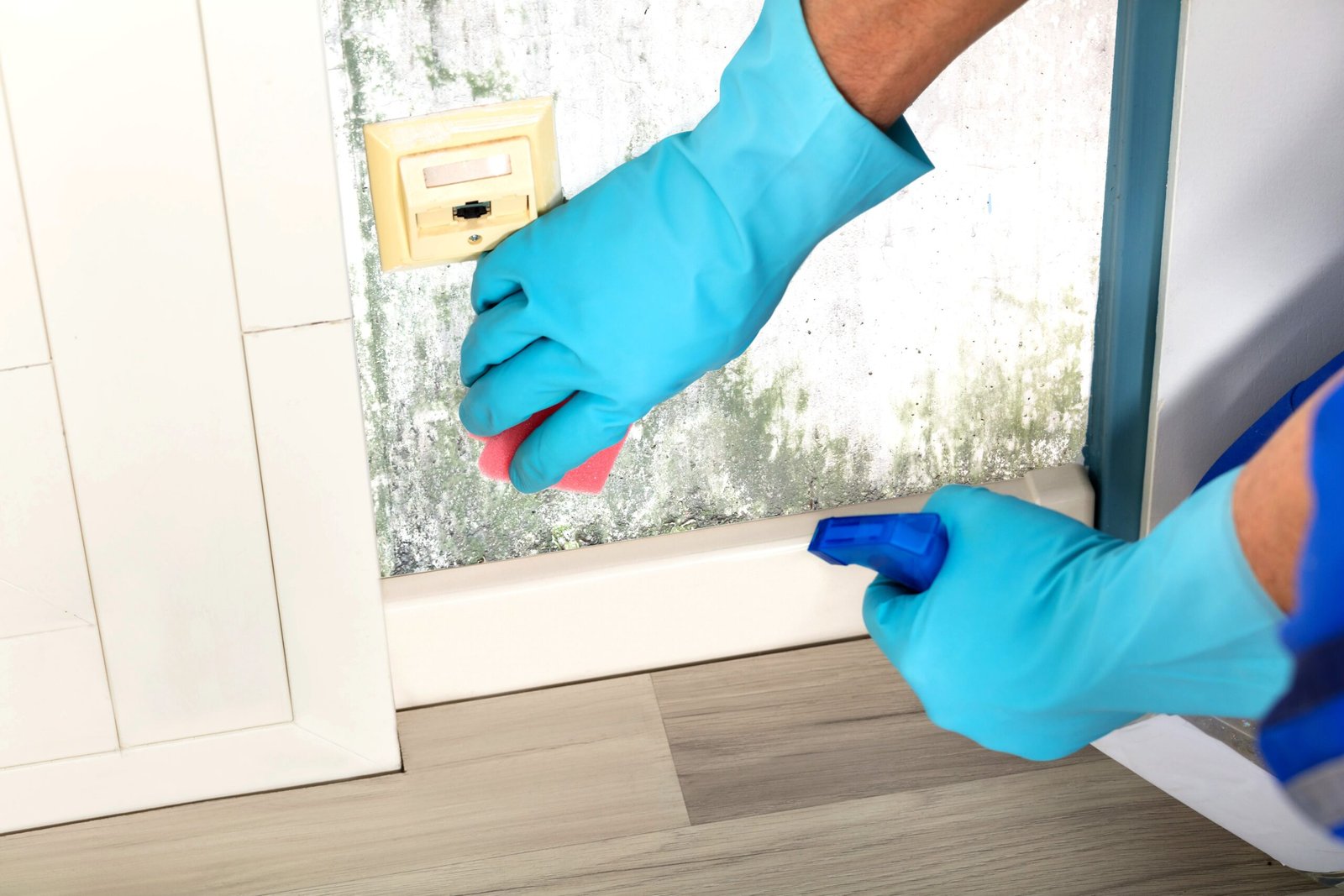
Why Ceilings Show Water Damage First
Water follows gravity, so leaks from roofs, upstairs bathrooms, and HVAC systems all end up in your ceiling. Gilbert homes face specific ceiling leak risks. Flat roofs common in the area pond water during monsoon storms until seams fail. Evaporative coolers on the roof overflow when drain lines clog, sending water through the ceiling below. Second-story bathrooms develop supply line leaks that drip into the ceiling of the room underneath.
The stain you see is just the surface. Behind that brown ring, water has soaked into the drywall, saturated the insulation in the attic or floor cavity above, and potentially weakened the structural integrity of the ceiling itself. Drywall that stays wet for days starts to sag, and eventually it falls. That is why ceiling water damage needs immediate attention, not a wait-and-see approach.
What Causes Ceiling Water Damage in Gilbert Homes
Roof leaks top the list, especially after the heavy monsoon storms that hit the East Valley between July and September. Flat roofs and low-slope roofs common in Gilbert hold water until it finds a weak seam or crack. Older homes with tile roofs can develop leaks where the underlayment has deteriorated.
Upstairs plumbing failures are the second most common cause. Supply lines to second-floor bathrooms and laundry rooms run through ceiling cavities. When a line bursts or a connection fails, water pours directly into the ceiling below. Evaporative cooler overflow happens when the drain line clogs or the float valve fails, sending thousands of gallons of water through your ceiling in under an hour.
Air conditioner condensate line clogs cause water to back up and overflow into the ceiling plenum. This is especially common in Gilbert because of the hard water buildup that clogs drain lines over time. Whatever the source, the ceiling takes the hit first.
How Ceiling Water Damage Repair Works
The first step is stopping the source. If it is a roof leak, we tarp the affected area until a roofer can make permanent repairs. If it is a plumbing leak, we coordinate with a licensed plumber to shut off the water and fix the line. Nothing else happens until water stops entering the ceiling.
Next we assess the damage. We check for sagging, measure moisture levels in the drywall with penetrating meters, and inspect the insulation above. Thermal imaging shows us how far the water has spread beyond the visible stain. This tells us whether the ceiling can be dried in place or if sections need to come down.
If the drywall is structurally sound and moisture readings are moderate, we set up air movers and dehumidifiers to dry the ceiling from below. We drill small weep holes to let water drain and air circulate inside the cavity. If the ceiling is sagging or moisture readings are too high, we cut out the damaged sections to prevent collapse and allow proper drying of the framing and insulation above.
Once everything is dry, we handle the reconstruction. New drywall gets installed, taped, mudded, and textured to match your existing ceiling. We prime and paint the repaired area, blending it with the surrounding surface. The goal is a repair you cannot see.
When a Ceiling Needs Full Replacement vs. Partial Repair
Not every ceiling leak requires tearing everything out. Small leaks caught early can often be dried and repaired with just a patch and repaint. But if the drywall has been wet for more than 48 hours, if it is sagging more than a quarter inch, or if mold has started growing inside the cavity, full section replacement is the safer choice.
We make the call based on moisture readings, visual inspection, and how long the water has been present. Our job is to prevent collapse and mold, not just cover up a stain. If replacement is needed, we explain why and show you the damage before we start cutting.
What Sets Our Ceiling Repair Work Apart
Ceiling water damage requires speed and precision. Here is what our crews bring to every ceiling job in Gilbert:
- Immediate response to prevent ceiling collapse
- Thermal imaging to find the full extent of water spread
- Moisture meters that read drywall, framing, and insulation
- Source coordination with roofers and plumbers to stop the leak
- Controlled demolition to remove only what must be removed
- Drying equipment sized for ceiling cavities and attic spaces
- Full reconstruction including drywall, texture, and paint matching
- Mold prevention treatment on all affected surfaces
Water Stain on Your Ceiling. Call Before It Gets Worse.
A small stain today can become a collapsed ceiling tomorrow. Do not wait to see if it dries out on its own. We respond to ceiling emergencies across Gilbert, Chandler, Mesa, and Queen Creek around the clock.
F. A. Q
Frequently Asked Questions
Signs of imminent collapse include visible sagging or bulging, water dripping steadily from the ceiling, a spongy feel when you gently press on the drywall, or cracking sounds as the drywall pulls away from the framing. If you see any of these signs, evacuate the room immediately and call us. Do not wait to see if it holds.
No, painting over a water stain without fixing the moisture problem just covers it temporarily. The stain will bleed through new paint within weeks. More importantly, wet drywall behind the stain continues to weaken and can eventually collapse. The water source must be fixed, the drywall dried or replaced, and then the area repainted with stain-blocking primer.
Drying a ceiling that can be saved takes 3 to 5 days with continuous dehumidification. If sections need replacement, demolition takes one day, drying takes 2 to 3 days, and reconstruction takes another 3 to 7 days depending on the size and texture matching requirements. We give you a written timeline after the initial inspection.
Most policies cover ceiling damage from sudden and accidental leaks like a burst pipe or storm damage. They typically do not cover damage from long-term neglect or wear, like a roof that has not been maintained. We document everything for your adjuster and bill the carrier directly when coverage applies. Your deductible is usually your main out-of-pocket cost.
Yes, we specialize in texture matching for Gilbert homes. Whether you have knockdown, orange peel, skip trowel, or smooth ceilings, our drywall finishers can replicate the existing texture so the repair blends seamlessly. We practice on sample boards first if needed to get the match right before applying it to your ceiling.
For small, contained repairs in one room, most families stay home. For larger ceiling replacements that involve demolition, dust, and continuous drying equipment, we often recommend staying elsewhere for a few days. If mold remediation is needed or multiple rooms are affected, temporary relocation is usually the more comfortable option.
Roof leaks from monsoon storms top the list, followed by evaporative cooler overflow when drain lines clog or float valves fail. Upstairs plumbing leaks, air conditioner condensate line backups, and ice dam formation in rare cold snaps round out the common causes. Gilbert's hard water accelerates drain line clogs, making AC and evaporative cooler overflow especially common.
Yes, if the water is not extracted and the ceiling is not dried quickly. Mold spores are present in attic spaces and wall cavities, and they activate within 24 to 48 hours on wet drywall and insulation. This is why speed matters so much in ceiling water damage repair. We start extraction immediately, remove wet insulation, and run dehumidifiers until moisture readings confirm everything is dry.