FLOOD DAMAGE RESTORATION
Flood Damage Restoration Gilbert, AZ
Monsoon storms in the East Valley can dump inches of water in under an hour. When that happens, flood water finds its way into your home through foundation cracks, weep holes, and overwhelmed drainage systems. Flood damage restoration in Gilbert requires more than just water extraction. It requires handling contaminated water, removing soaked materials, and preventing the mold that follows flooding. Our crews respond to flash flood emergencies across Gilbert, Chandler, Mesa, and Queen Creek around the clock.
Flood Water Moves Fast and Carries Contaminants
Flash flooding requires immediate action. Call as soon as water enters your home. We dispatch to the East Valley 24 hours a day, 7 days a week.
Flood Water Is Different From Clean Water Damage
A burst supply line and a monsoon flood are not the same job. Flood water carries sewage, soil, chemicals, and bacteria from outside your home. The EPA classifies flood water as Category 3 black water, which requires different safety protocols, disposal methods, and cleaning procedures than clean water losses.
Gilbert’s expansive clay soil makes flooding worse. When the soil gets saturated, it expands and can crack foundation slabs. Water backs up through weep holes that are meant to drain moisture. Storm drains overflow and send water toward homes instead of away from them. This is why flood damage in Gilbert often affects multiple rooms and requires full-scale restoration, not just drying.
The first 24 hours after flooding decide whether your home can be saved or needs major reconstruction. Flood water soaks into everything it touches. Drywall, insulation, flooring, and personal belongings all absorb contaminated water. The longer it sits, the deeper the contamination goes and the higher the mold risk becomes.
How Flood Damage Restoration Works in Gilbert
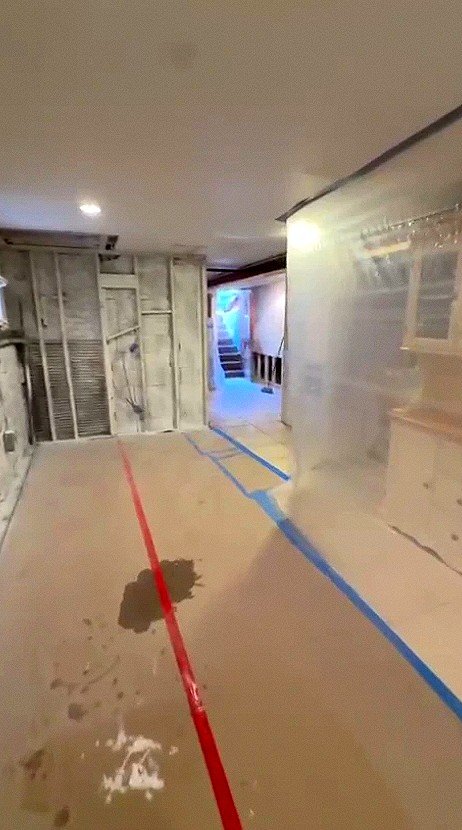
Flood restoration starts with safety. Our crews wear full protective gear when handling Category 3 water. We isolate the affected areas with plastic barriers to keep contamination from spreading to unaffected rooms. Then extraction begins with truck-mounted pumps that can handle hundreds of gallons per hour.
Once standing water is out, we remove everything the flood touched that cannot be saved. Soaked drywall below the water line comes out. Insulation in wet walls gets removed and bagged. Carpet padding almost always goes because it holds contamination. Hard surfaces get scrubbed with antimicrobial solutions.
Drying equipment runs alongside the demolition. Air movers and dehumidifiers pull moisture from the structure while we remove damaged materials. We take moisture readings daily until everything reaches dry standard. Only then does reconstruction begin, with new drywall, insulation, and finishes.
Why Monsoon Flooding in Gilbert Needs Specialized Response
July through September brings the worst flooding to the East Valley. These storms arrive fast, drop massive amounts of water, and leave homes flooded within minutes. Gilbert’s flat terrain and clay soil mean water has nowhere to go, so it pools around foundations and finds every crack.
Older homes near downtown Gilbert face different flooding risks than newer builds in Queen Creek or Mesa. Weep holes in block foundations can back up during heavy rain. Flat roofs pond water until seams fail. Evaporative coolers overflow and send water through ceilings. Each scenario requires a different approach to extraction and drying.
What Gets Removed After Flood Damage
Not everything can be saved after flooding, and honesty matters more than false hope. Porous materials that absorbed contaminated water cannot be cleaned safely. This includes drywall, insulation, carpet padding, particleboard, and upholstered furniture. These items get bagged and hauled away.
Hard surfaces like tile, concrete, and framing lumber can usually be cleaned and dried if we reach them quickly. We scrub them with antimicrobial solutions and run dehumidifiers until moisture readings confirm they are dry. Personal belongings get evaluated case by case. Photos, documents, and electronics sometimes can be restored through specialized cleaning methods.
Your insurance adjuster needs to see what was removed and why. We photograph everything before it leaves your home and provide detailed documentation showing the extent of flood damage. This speeds up the claims process and helps ensure you get covered for the full scope of work.
What Sets Our Flood Restoration Apart
Flood damage requires more than standard water extraction. Here is what our crews bring to every flood job in Gilbert:
- Category 3 water handling with full protective gear and disposal protocols
- Truck-mounted extraction pumps that handle hundreds of gallons per hour
- Containment barriers to isolate contaminated areas from clean spaces
- Antimicrobial treatment on all surfaces touched by flood water
- Daily moisture monitoring with documentation for insurance claims
- Coordination with your adjuster to document the full scope of flood damage
- In-house reconstruction to rebuild after flood removal is complete
- 24/7 emergency response because flooding does not wait for business hours
Water in Your Home From Flooding. Call Before It Spreads Further.
Monsoon storms can flood your home in minutes. Every hour of delay increases contamination and mold risk. We respond to flood emergencies across Gilbert, Chandler, Mesa, and Queen Creek around the clock.
F. A. Q
Frequently Asked Questions
Standard homeowners policies typically do not cover flooding from external sources like monsoon storms or overflowing washes. That requires separate flood insurance through the National Flood Insurance Program. However, if the flooding resulted from a covered peril like a burst pipe or appliance failure, your policy should cover the restoration. We help document the cause so your adjuster can make the right call.
For flood emergencies, we typically arrive within 60 minutes in Gilbert and the surrounding East Valley. Flood water moves fast and carries contamination, so speed matters. Our trucks carry extraction pumps, protective gear, and drying equipment so we can start work immediately upon arrival.
Flood damage involves water that came from outside your home, like monsoon storms, overflowing washes, or backed-up storm drains. This water is contaminated with sewage, soil, and chemicals. Water damage usually refers to clean water from inside your home, like a burst pipe or appliance leak. Flood damage requires Category 3 water protocols and more extensive cleanup.
Sometimes, but it depends on how long the water sat and whether the wood has cupped or warped. If we extract the water quickly and start drying immediately, some hardwood can be saved. If the wood has been wet for days or shows significant cupping, replacement is usually the safer choice. We evaluate each floor individually and give you an honest assessment.
For major flooding that affects multiple rooms or involves sewage contamination, we recommend staying elsewhere during the initial extraction and demolition phase. The work creates dust and airborne particles, and the drying equipment runs continuously. For smaller, contained flood areas, some families stay home but avoid the work zone. We can help coordinate temporary housing with your insurance if needed.
Extraction and demolition usually take 1 to 3 days depending on the size of the affected area. Drying takes 3 to 7 days with continuous monitoring. Reconstruction to replace drywall, flooring, and finishes adds another 1 to 3 weeks. The total timeline depends on the extent of damage and how quickly we can start.
If it is safe, turn off electricity to flooded areas and move valuables to a dry location. Do not attempt to remove standing water yourself unless it is minimal. Do not use household vacuums on wet surfaces. Take photos of the flooding for your insurance claim. Then call us and wait in a safe area until the crew arrives with protective gear.
Yes, if the water is not extracted and the structure is not dried quickly. Mold spores are present in flood water and activate within 24 to 48 hours on wet surfaces. This is why speed matters so much in flood restoration. We start extraction immediately, remove contaminated materials, and run dehumidifiers until moisture readings confirm everything is dry. This prevents mold from taking hold.